Author: RafNik

  • Build a Hair Routine You Will Actually Keep

    The best styling routine for you is one you can repeat on an ordinary morning. Before adding another product to the shelf, decide what result you want, how much time you will spend, and which tools you are comfortable using. This is an editorial planning guide, not a product ranking or a promise that one routine suits every hair type.

    Choose the finish before the product

    Do you want a matte, textured look or a smoother finish with visible shine? Do you want the hair held neatly in one direction or something you can move throughout the day? Bring those preferences to your barber. Ask what the haircut looks like with minimal styling as well as with the finished look in the chair.

    Do not choose solely by a label such as clay, paste or pomade. Read the individual product’s directions and ask about its intended finish and hold. A recommendation should fit the product, your hair and your routine, not just a fashionable category name.

    Test one change at a time

    After a haircut, ask the barber to demonstrate one straightforward routine. Note whether the product is applied to damp or dry hair, the approximate amount used for your haircut, and how it is distributed. Follow the product’s instructions rather than copying an arbitrary amount from a video.

    At home, change one part of the routine at a time. If the result feels too heavy, ask for help with quantity or a different approach before buying several replacements. Keep a simple note of what worked. This is more useful for your next consultation than a collection of products you cannot compare.

    Match the haircut to your available time

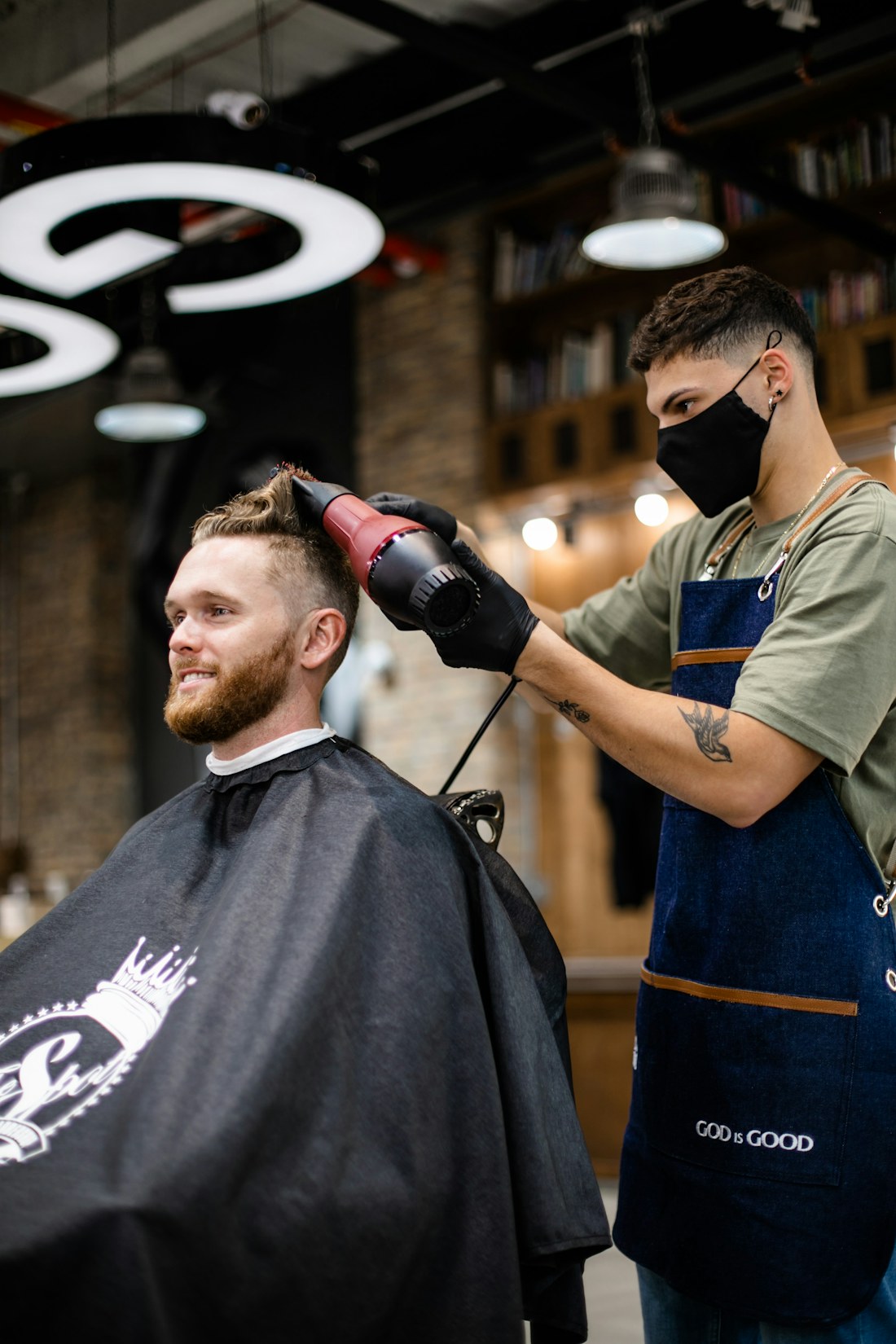
    For a minimal routine, tell the barber that air-drying or a quick comb-through is the goal. For a more sculpted finish, ask what tools and practice the look will require. If a dryer is part of the demonstration, follow its safety instructions and ask for a manageable method rather than guessing a heat setting.

    A useful question is: “What is the easiest version of this style on a busy day?” You can have a simple everyday approach and a more polished one for occasions without pretending they take the same effort.

    Make your next visit more useful

    Take a photo of your hair after styling it yourself, not just after the appointment. At the next visit, explain what was difficult: the fringe would not stay in place, the sides felt bulky, or the finish was different from the demonstration. These are specific points your barber can discuss.

    Ask what can be adjusted in the haircut and what belongs to the styling routine. Agree on any new service or product cost before buying. There is no obligation to purchase a product simply because it was used during the appointment.

    Your three-line routine

    The look: the finish and shape I want.
    The time: what I will realistically do each morning.
    The method: one demonstrated approach with directions I understand.

    Browse our haircut consultation guides or plan a visit in West Hollywood. Our featured destination at 7858 Santa Monica Blvd is publisher-affiliated; current hours, prices and appointment availability must be confirmed with the shop.
  • A Better Beard Trim Starts With These Five Questions

    A Better Beard Trim Starts With These Five Questions

    Advertisement — publisher-affiliated location. BARBER WEHO is commercially affiliated with the barber location at 7858 Santa Monica Blvd, West Hollywood, CA 90046. This article promotes that location.

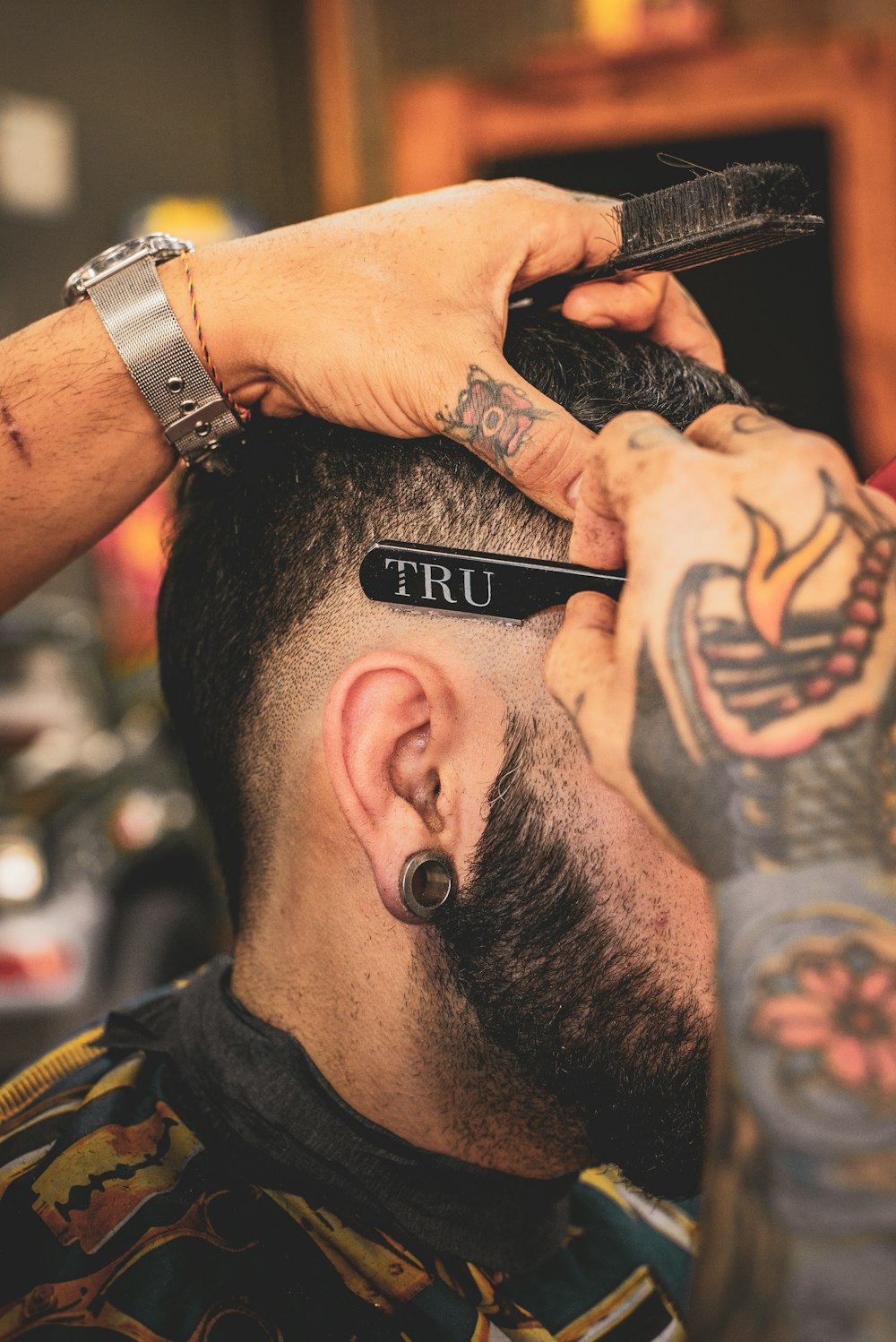
    “Just tidy it up” can mean very different things. You may mean removing a few stray hairs; your barber may understand it as reshaping the whole beard. Before a trim, use five straightforward questions to agree on the result and avoid losing length you wanted to keep.

    Ready to discuss your next beard trim? Plan your visit to 7858 Santa Monica Blvd, West Hollywood, CA 90046.

    Booking opens on the shop’s external booking page, where you can check available services, prices and times.

    1. Are we maintaining length or changing the shape?

    Decide which matters more at this appointment: preserving growth, sharpening the outline, reducing bulk or trying a different silhouette. Say whether you are growing the beard longer. Point out any area where you do not want substantial length removed.

    If you are not sure, ask to discuss a conservative first pass. A reference photo of your own beard after a trim you liked is a useful starting point. Inspiration images can help too, but ask what is realistic for your current beard rather than expecting an exact copy.

    2. How defined should the cheek line look?

    Some people prefer an intentionally crisp outline; others want a softer, more natural edge. Show the area you mean and agree on the look before the barber begins. Discuss whether the cheek line should remain close to its present position or be reshaped.

    Avoid specifying a line purely because it looked good on someone else. Ask the barber to explain how the proposed outline fits your own growth and the amount of upkeep you want.

    3. What should happen under the jaw?

    The neck and the underside are difficult to assess from a front-facing photograph. Ask to see the proposed neckline in the mirror and discuss the transition from the jaw to the neck. Make clear whether you want to preserve fullness under the chin.

    If you have had discomfort with a particular finishing technique, mention it during the consultation. Do not ask a barber to diagnose a skin problem. Persistent irritation or other medical concerns belong with a qualified healthcare professional.

    4. How should the moustache feel day to day?

    Explain whether the moustache gets in your way, whether you prefer it clear of your lip, and whether you style it to the sides. Agree on length and the connection to the rest of the beard. A small detail here may matter more to your daily comfort than a dramatic overall restyle.

    5. What am I expected to maintain at home?

    Ask which areas to leave alone and which can be lightly maintained between visits. If you are not confident using a trimmer on the outline, say so rather than promising an elaborate routine. Request a simple demonstration and ask what the beard should look like without a full in-chair finish.

    Before leaving, check the front, both profiles and underneath. Confirm any additional service and its price before it is performed. Plan the next visit around your preferences and the agreed style, rather than treating one interval as right for everyone.

    The brief to bring with you

    “I want to keep the length here, reduce bulk here, and use a softer or sharper outline. Please show me the neckline before trimming it. For the moustache, I want this much clearance. I need a finish I can maintain with these tools.”

    For local planning, see our West Hollywood visit guide. The featured location at 7858 Santa Monica Blvd is commercially affiliated with this publication. Confirm current services, prices and availability directly with the shop.

  • How to Explain the Haircut You Actually Want

    How to Explain the Haircut You Actually Want

    Advertisement — publisher-affiliated location. BARBER WEHO is commercially affiliated with the barber location at 7858 Santa Monica Blvd, West Hollywood, CA 90046. This article promotes that location.

    A good haircut starts before the clippers turn on. You do not need to know every barbering term. You need to explain what you want to keep, what you want to change, and how much styling you will realistically do at home. Use this checklist to make that conversation easier.

    Ready to put your haircut brief into practice? Plan your visit to 7858 Santa Monica Blvd, West Hollywood, CA 90046.

    Booking opens on the shop’s external booking page, where you can check available services, prices and times.

    Start with the problem, not the trend

    Instead of opening with a style name alone, describe the part of your current haircut that is not working. For example: “The sides get bulky above my ears,” “My fringe falls forward when I work,” or “I like the top, but the neckline needs cleaning up.” These observations give your barber something specific to discuss.

    Also say what you like. If the current length on top works well, make that a clear boundary. A useful starting brief is: “Keep enough length on top to brush it back; reduce the weight at the sides; do not take the sides down to skin.” The point is not to prescribe a technique, but to agree on the visible result.

    Bring two references and explain the difference

    Choose one image you like and, if helpful, one that shows something you do not want. Point to the details: the height of the short section, the fringe, the weight through the crown, or the softness of the edges. A photograph from your own previous haircut can be more useful than a celebrity reference because it shows your own hair.

    Treat an inspiration photo as the beginning of the consultation, not a promise of an identical result. Ask the barber which parts can work with your hair and which would require a different length, more styling, or a different approach. Ask to see the sides and back in the mirror before the consultation ends.

    Agree on length before anything is cut

    “Short” is not a complete instruction. Show where you want the fringe to sit and how much length you want left on top. If you request a fade or taper, discuss where the transition starts, how high it goes, and whether skin should be visible. Do not rely on a guard number or a style name to communicate the whole haircut.

    For a bigger change, ask the barber to summarize the plan in plain language. It is easier to correct a misunderstanding during a thirty-second conversation than after the length is gone.

    Be honest about your morning routine

    If you will not blow-dry or spend ten minutes styling, say so. If you wear a helmet, train before work, or need a haircut that looks presentable after air-drying, include that in the brief. Discuss how the style is expected to look without the full finish used in the chair.

    Before leaving, ask the barber to show one achievable home routine: how damp the hair should be, where to apply the styling product, and which direction to work it. Ask about a practical return interval based on the finished cut and your preference for keeping it sharp; there is no need to commit to a universal schedule.

    Save this consultation brief

    Keep: the length and features I like.
    Change: the areas that feel bulky or difficult to style.
    Avoid: an unwanted skin finish, an overly high fade, or too much length removed.
    My routine: the tools and time I actually use.
    Before we start: please confirm the plan with me.

    Planning a visit in West Hollywood? Our local visit guide lists the publisher-affiliated destination at 7858 Santa Monica Blvd and the supplied Google Maps link. Confirm availability, services and prices with the shop before visiting. This article is general editorial guidance, not a guarantee of a particular result.